
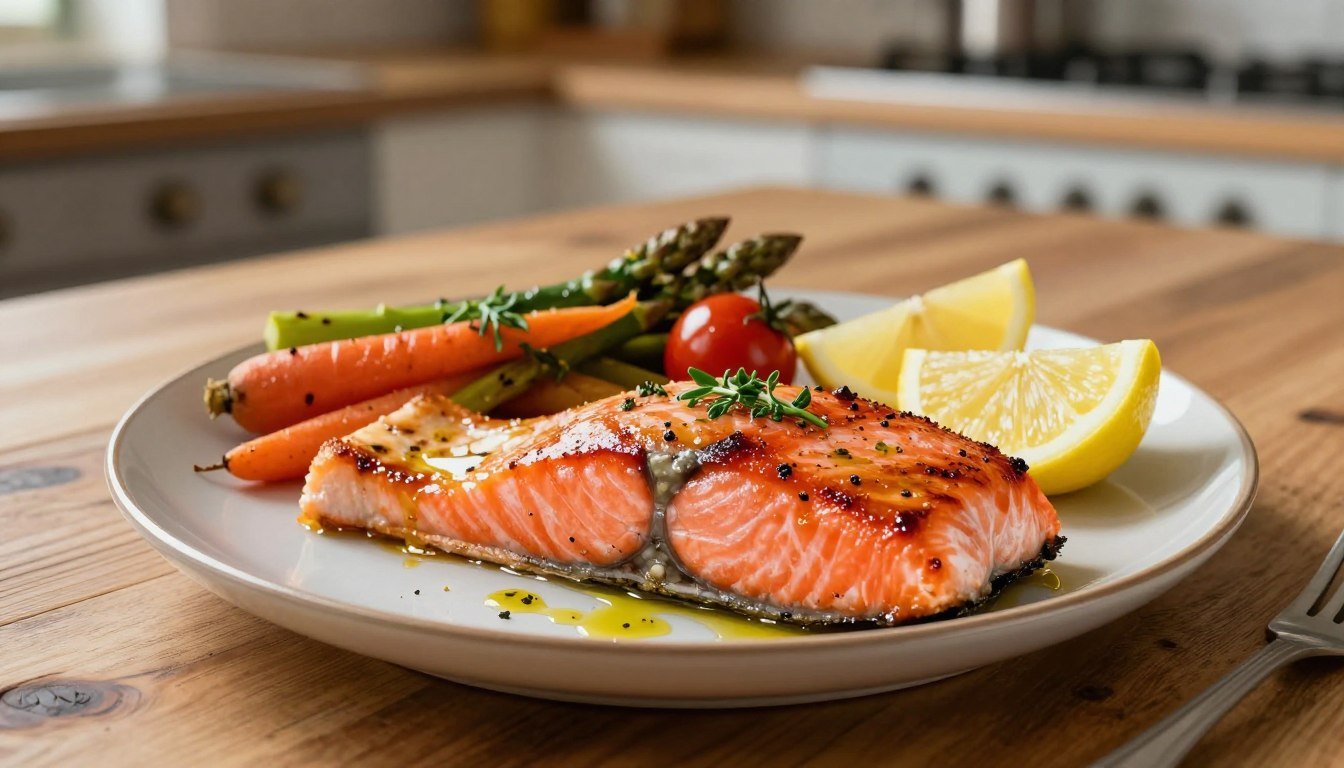
baked sockeye salmon recipe
baked sockeye salmon recipe ever stared at a salmon fillet, wondering how to make it into a meal? Home-cooked meals bring back memories of family and laughter. Baking red sockeye salmon is a healthy choice that tastes great.
With our easy sockeye salmon recipe, you can make the best baked sockeye salmon. It turns any dinner into a feast. Imagine serving your loved ones a flavorful sockeye salmon recipe that’s both nutritious and delicious.
This step-by-step guide will teach you how to make oven-baked sockeye salmon. It makes any mealtime a celebration of flavor and wellness.
Understanding Sockeye Salmon
how to bake sockeye salmon is known for its bright color and strong taste. It’s a big deal in cooking. This fish is special because of its unique qualities that make it stand out.
What Makes Sockeye Salmon Unique?
The bright red color and firm texture of sockeye salmon are loved by many. Its rich taste is perfect for those who like a meatier fish. It’s also packed with omega-3 fatty acids, which are good for your heart and brain.
This fish is full of vitamins A and D. These nutrients make sockeye salmon a very healthy choice.
Health Benefits of Sockeye Salmon
Eating sockeye salmon can greatly improve your health. It’s full of omega-3 fatty acids, which are great for your heart and brain. It also helps reduce inflammation in your body.
Adding sockeye salmon to your diet can make you healthier. It’s a great choice for your meals.
Choosing the Right Sockeye Salmon
When picking sockeye salmon, knowing the difference between wild-caught and farmed is key. Each type has its own taste and benefits. They meet different needs and values.
Wild-Caught vs Farmed Salmon
Wild-caught salmon, like that from Bristol Bay in Alaska, tastes better and feels softer. It’s caught in ways that are good for the planet. This is great for those who care about the environment.
Farmed salmon, on the other hand, has more fat. This makes it taste richer. But, it might not be as good for the planet. Choosing wisely can make your meal better and help the environment.
How to Buy Fresh or Frozen Salmon
For fresh salmon, look for fillets that smell like the ocean, feel moist, and look bright. These signs mean it’s fresh and good quality. If you’re buying frozen sockeye salmon, make sure it’s well-packaged. This keeps its taste and texture.
Following these tips will help you enjoy your salmon, whether it’s fresh or frozen. It’s all about getting the best flavor and quality for your baking.
Essential Ingredients for Baking Salmon
To bake a tasty sockeye salmon, you need the right ingredientsbest baked sockeye salmon . The right mix brings out the salmon’s natural taste, making it a healthy and fulfilling meal. Here are the key ingredients and some optional seasonings to boost your dish.
Main Ingredients You’ll Need
- Whole salmon fillet
- Olive oil
- Brown sugar
- Garlic powder
- Paprika
- Salt
- Pepper
The main ingredients are the heart of your dish. Olive oil keeps it moist, and brown sugar adds a sweet touch. Garlic powder and paprika add depth, while salt and pepper highlight the salmon’s natural taste.
Optional Seasonings and Herbs
For a personalized touch, add various seasonings and herbs. These can change the flavor of your sockeye salmon:
- Rosemary
- Dill
- Thyme
- Lemon juice
These optional ingredients can make your dish unique. Choose from a simple lemon-dill mix or a richer herb blend, based on your taste.
| Ingredient | Role in Flavor |
|---|---|
| Olive Oil | Moisture and richness |
| Brown Sugar | Sweetness and caramelization |
| Garlic Powder | Depth of flavor |
| Paprika | Smokiness and color |
| Salt and Pepper | Enhancement of natural flavors |
| Herbs (Optional) | Customization of taste |
Step-by-Step Instructions for Baking Sockeye Salmon
To bake sockeye salmon perfectly, start with these easy steps. First, preheat your oven and get your salmon ready. This will help you bake it to the best flavor and texture.
Preparing Your Salmon Fillet
Begin by heating your oven to 375°F (190°C). Cover a baking sheet with parchment paper for easy cleaning. Place the sockeye salmon fillet skin-side down on the sheet.
Drizzle it with olive oil and sprinkle salt and pepper generously. This step is key for enhancing the flavors during baking.
Mixing the Seasoning
In another bowl, mix your dry ingredients. You can use brown sugar, garlic powder, smoked paprika, and herbs. Make sure to mix well for a balanced seasoning.
Evenly spread this seasoning over the salmon fillet. The seasoning will caramelize, creating a tasty crust.
Baking Techniques and Timing
Place the prepared baking sheet in the oven. Bake each fillet for 10 to 15 minutes, depending on its thickness. A good way to check is with a thermometer. Aim for an internal temperature of 145°F (63°C) baked sockeye salmon recipe.
Or, use the flake test. When the salmon flakes easily with a fork, it’s done.
| Fillet Thickness | Baking Time |
|---|---|
| 1 inch | 10 minutes |
| 1.5 inches | 12-15 minutes |
| 2 inches | 15-18 minutes |
Best Practices for Oven-Baked Sockeye Salmon
Preparing sockeye salmon right is key to a tasty dish. Using the best techniques makes the salmon both flavorful and tender. Knowing how to keep it moist and checking for doneness are crucial for great baking.
How to Keep Salmon Moist
To keep salmon moist, try a few methods. Wrapping it in foil or parchment paper helps keep baked sockeye salmon recipe moisture in. Marinades or brine before cooking add juiciness and flavor.
Other tips include keeping the oven temperature steady and checking the salmon often. This prevents it from drying out.
Indications of Doneness
how to bake sockeye salmon knowing when your salmon is done is important. Look for a bright color and flaky texture. An instant-read thermometer is a good tool to check the internal temperature.
For the best results, aim for a temperature of about 145°F. These signs help ensure your salmon is cooked just right oven-baked sockeye salmon.
Delicious Variations of Baked Sockeye Salmon Recipe
Trying new salmon recipes can make cooking more fun. By using different marinades and flavors, you can discover new tastes. Try teriyaki or spicy gochujang marinades for a unique twist. They add surprise to your meals and bring out the salmon’s natural flavors.
Creative Glazes and Marinades
Creating exciting marinades is easy or can be complex. Here are a few ideas:
- Honey Mustard Glaze: Mix honey, Dijon mustard, and vinegar for a sweet and tangy taste.
- Maple Soy Marinade: Combine maple syrup and soy sauce for a sweet and savory mix.
- Spicy Gochujang Glaze: This Korean chili paste adds a bold kick for those who love spice.
Herb Pairings and Flavor Combinations
Fresh herbs can make your baked sockeye salmon even better. Here are some great flavor ideas:
- Dill and Lemon: A classic mix that adds a refreshing touch.
- Parsley and Garlic: Parsley’s earthy taste pairs well with garlic’s fragrance.
- Chili and Jalapeño: For a spicy kick, this combination is perfect.
Serving Suggestions for Baked Sockeye Salmon
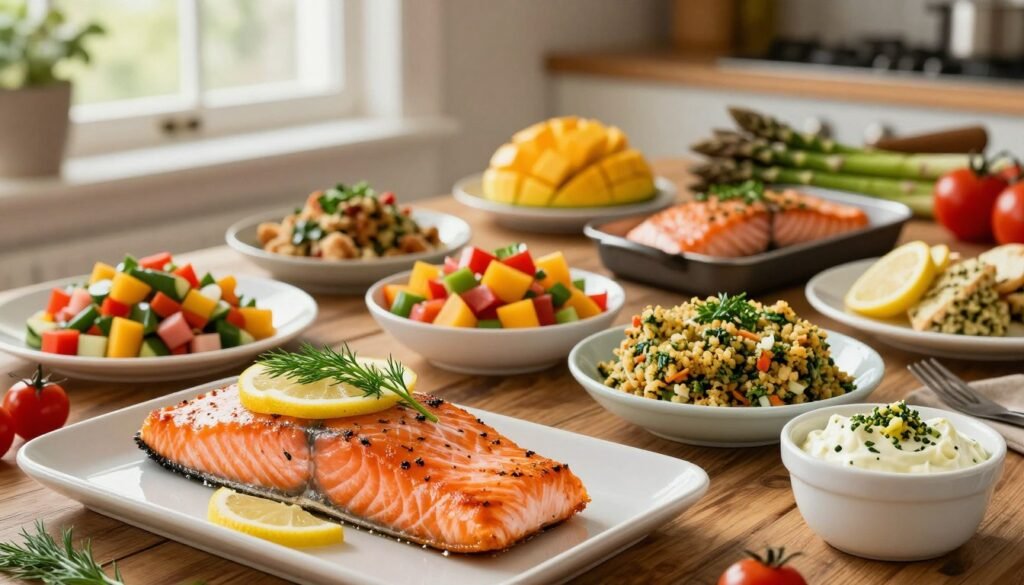
Choosing the right side dishes is key when serving baked sockeye salmon. Bright vegetables, fluffy rice, or fresh salads are great choices. They add color and texture to your meal. A colorful arrangement makes your dish look as good as it tastes oven-baked sockeye salmon.
Complementary Side Dishes
- Seasoned steamed asparagus
- Garlic mashed potatoes
- Citrus quinoa salad
- Roasted Brussels sprouts with balsamic glaze
- Mixed green salad with cherry tomatoes and avocado
Presentation Tips to Wow Your Guests
Presenting your salmon meal can make it stand out. Try garnishing with lemon slices or fresh herbs like parsley or dill. A warm plate keeps your dish at the perfect temperature and texture.
Arrange your side dishes around the salmon for a balanced look. This makes your meal visually appealing.
Storing and Reusing Leftover Salmon
After enjoying your delicious baked sockeye salmon, it’s important to store leftovers properly. This keeps them fresh and safe to eat. Knowing how to refrigerate cooked salmon is key to enjoying your meal again.
Best Practices for Refrigerating Cooked Salmon
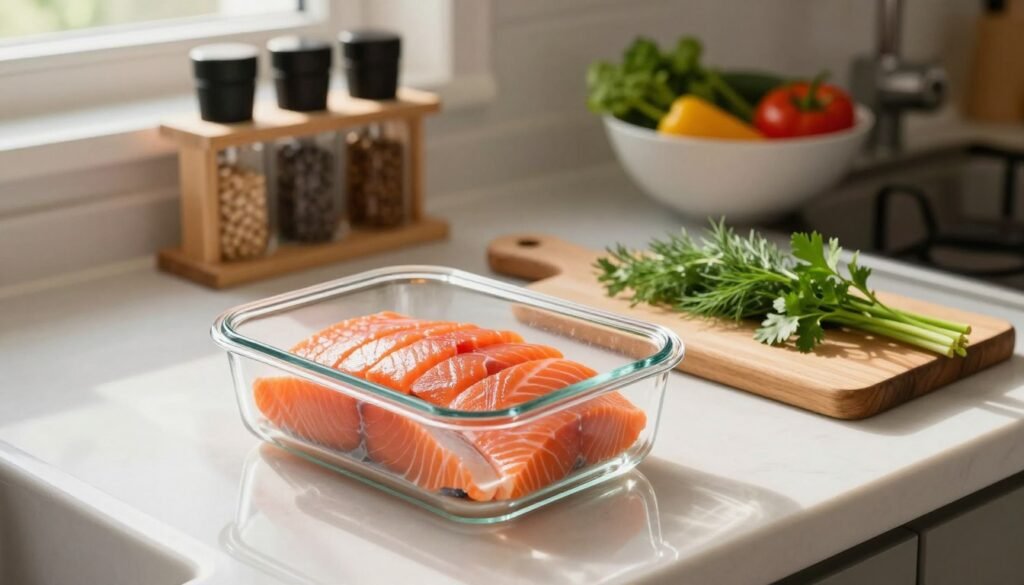
To keep your leftover salmon fresh, use an airtight container. Refrigerate it within two hours of cooking to stop bacteria from growing. It’s best to eat leftovers within three days. These tips will help keep your dish tasting great baked sockeye salmon recipe.
Delicious Ways to Use Leftover Salmon
Leftover salmon can make your meals exciting. Here are some ideas:
- Mix flaked salmon into salads for a protein boost.
- Add it to pasta dishes to create a creamy or tangy sauce.
- Incorporate salmon into omelets or scrambled eggs for a hearty breakfast.
- Create delicious salmon cakes or patties for a tasty snack.
These ideas not only make your dishes better but also help reduce waste. Enjoy the versatility of leftover salmon in many ways.
| Storage Method | Duration | Best Uses |
|---|---|---|
| Airtight Container | Up to 3 days | Salads, pasta dishes |
| Frozen | Up to 2-3 months | Soups, sandwiches |
| Refrigerated in foil | Up to 3 days | Omelets, salmon cakes |
Conclusion
Baking red sockeye salmon is a rewarding experience. It brings tasty flavors to your meals and offers health perks. By following the guide, you can make a simple ingredient into a gourmet dish that’s both healthy and delicious.
Now, you can cook salmon at home like a pro. You’ll make salmon that tastes amazing and stays moist. Adding sockeye salmon to your meals is not only tasty but also good for you. It’s packed with omega-3 fatty acids, making it great for a balanced diet.
Start baking red sockeye salmon and wow your loved ones. It’s perfect for any meal, from weeknight dinners to special events. This dish is sure to make your dining moments unforgettable.
FAQ
What’s the best temperature to bake sockeye salmon?
The best temperature for baking sockeye salmon is 375°F. This ensures it cooks evenly. It keeps the fish moist and flavorful.
How long should I bake sockeye salmon?
Bake sockeye salmon for 10 to 15 minutes. This depends on the fillet’s thickness. Aim for an internal temperature of 145°F for the best resultsbaked sockeye salmon recipe.
Should I cover sockeye salmon while baking?
Yes, covering the salmon with foil or parchment paper helps. It keeps the fish moist by trapping steam. This prevents dryness baked sockeye salmon recipe.
What are some easy sockeye salmon recipe variations?
Try marinades like teriyaki or a spicy gochujang glaze. You can also experiment with herbs like dill or jalapeño for extra flavor baked sockeye salmon recipe.
How can I tell if my sockeye salmon is done?
Check for a color change to opaque pink. Also, look for a flaky texture when pressed gently. Use an instant-read thermometer to check the internal temperature, aiming for 145°Fbaked sockeye salmon recipe .
Can I use frozen sockeye salmon?
Yes, frozen sockeye salmon can be just as good as fresh. Just make sure it’s properly packaged. Thaw it fully before baking for the best taste baked sockeye salmon recipe.
How should I store leftover baked sockeye salmon?
Store leftover salmon in an airtight container in the fridge for up to three days. This keeps it fresh and flavorful baked sockeye salmon recipe.
What sides go well with baked sockeye salmon?
Serve the salmon with vibrant vegetables, rice, or fresh salads. These sides complement the fish’s rich flavor perfectly baked sockeye salmon recipe.
Are there any healthy baked sockeye salmon recipes?
Yes! Baking sockeye salmon is healthy. Pair it with nutritious sides and season with olive oil and fresh herbs for a wholesome dish baked sockeye salmon recipe.
How do I enhance the flavor of my baked sockeye salmon?
Use seasonal herbs like rosemary or dill for flavor. Add lemon juice before baking for a zesty touch. Simple seasonings like garlic powder and paprika also work well baked sockeye salmon recipe.