
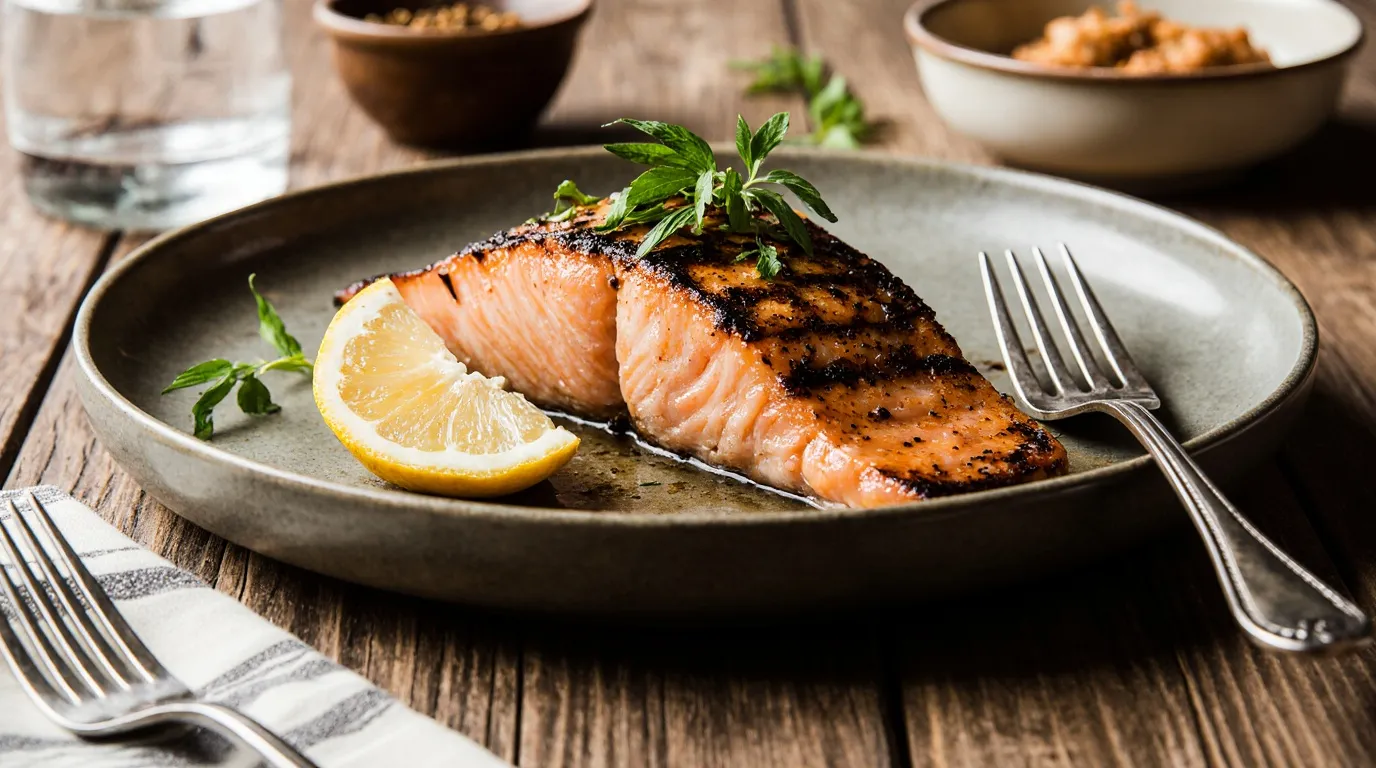
Maple Balsamic Grilled Sockeye Salmon — A Weeknight Dinner Worth Repeating
1. Introduction: The Secret to a Quick and Healthy Dinner
Weeknight dinners don’t have to be a compromise between speed and nutrition. This maple balsamic grilled sockeye salmon is living proof. From the moment you fire up the grill to the second you set the plate on the table, you’re looking at under 30 minutes — start to finish. No lengthy marinades, no complicated techniques, no mountain of dishes waiting for you afterward.
What makes this recipe a reliable go-to isn’t just the convenience — it’s the result. Wild sockeye salmon is one of the most nutrient-dense proteins you can put on your plate, and when paired with a glossy, tangy-sweet glaze, it becomes the kind of dinner that feels restaurant-worthy without the effort. Whether you’re feeding a hungry family after a long day or meal-prepping for the week ahead, this recipe checks every box.
2. Why You’ll Love It
Some recipes are technically good but fall a little flat in the flavor department. This one doesn’t have that problem. The glaze here strikes a rare balance — the warmth of pure maple syrup, the punchy depth of balsamic vinegar, and a bright kick of fresh ginger all come together without any single note overpowering the others.
Then there’s the grilling technique. Most people default to placing fish skin-side down first, but starting flesh-side down is the move that changes everything. You get those beautiful caramelized grill marks, a slightly crisped exterior, and all the moisture locked inside. It’s a small shift with a noticeably big payoff.
3. Understanding Sockeye Salmon
Not all salmon is created equal, and sockeye earns its reputation for good reason. Compared to Atlantic or pink salmon, sockeye has a distinctly deeper red color and a firmer, more substantial texture. It holds up beautifully on the grill rather than flaking apart, which makes it ideal for high-heat cooking.
Nutritionally, sockeye is naturally leaner than farmed varieties while still delivering an impressive dose of omega-3 fatty acids, high-quality protein, and B vitamins. Its lower fat content also means it cooks faster — an added bonus when you’re working with a 30-minute window. Understanding your ingredient means understanding why your recipe works.
4. Smart Ingredients and Substitutes
You only need a handful of pantry staples to pull this off:
- Wild sockeye salmon fillets (skin-on, about 6 oz each)
- Pure maple syrup (not pancake syrup — the real thing matters)
- Balsamic vinegar (aged if you have it)
- Fresh ginger, grated
- Garlic, minced
- Avocado oil (high smoke point, perfect for the grill)
- Salt and freshly cracked black pepper
A key step that often gets skipped: season the fish generously with salt and pepper before it ever touches the grill. This isn’t just surface flavoring — it begins to draw out moisture and set the stage for a genuinely seasoned bite all the way through. Skip it, and you’ll taste the difference.
Substitutions: Honey works in place of maple syrup. Apple cider vinegar can replace balsamic in a pinch. Olive oil is fine if avocado oil isn’t available, though watch your heat.
5. The Success Checklist: Golden Rules
Before you grill a single thing, run through these non-negotiables:
- Dry the fish completely. Pat every surface with paper towels until there’s no visible moisture. Wet fish steams instead of sears — and steaming means no crust.
- Preheat your grill to 450°F. Medium-high heat is the sweet spot. Too low and the fish sticks; too high and the glaze burns.
- Clean and oil your grates. Brush them down and wipe with an oil-soaked cloth right before the fish goes on.
- Follow the “no touch” rule. Once the salmon hits the grill, leave it alone. It will release naturally when it’s ready to flip. Trying to force it is how fillets fall apart.
6.Preparation Steps: The Flesh-Side Down grilled sockeye salmon Method
Start by combining the maple syrup, balsamic vinegar, grated ginger, and minced garlic in a small saucepan over medium heat. Let it simmer for about 5 minutes, stirring occasionally, until it thickens slightly and coats the back of a spoon. Set aside.
Season your fillets with salt and pepper on both sides. Brush lightly with avocado oil.
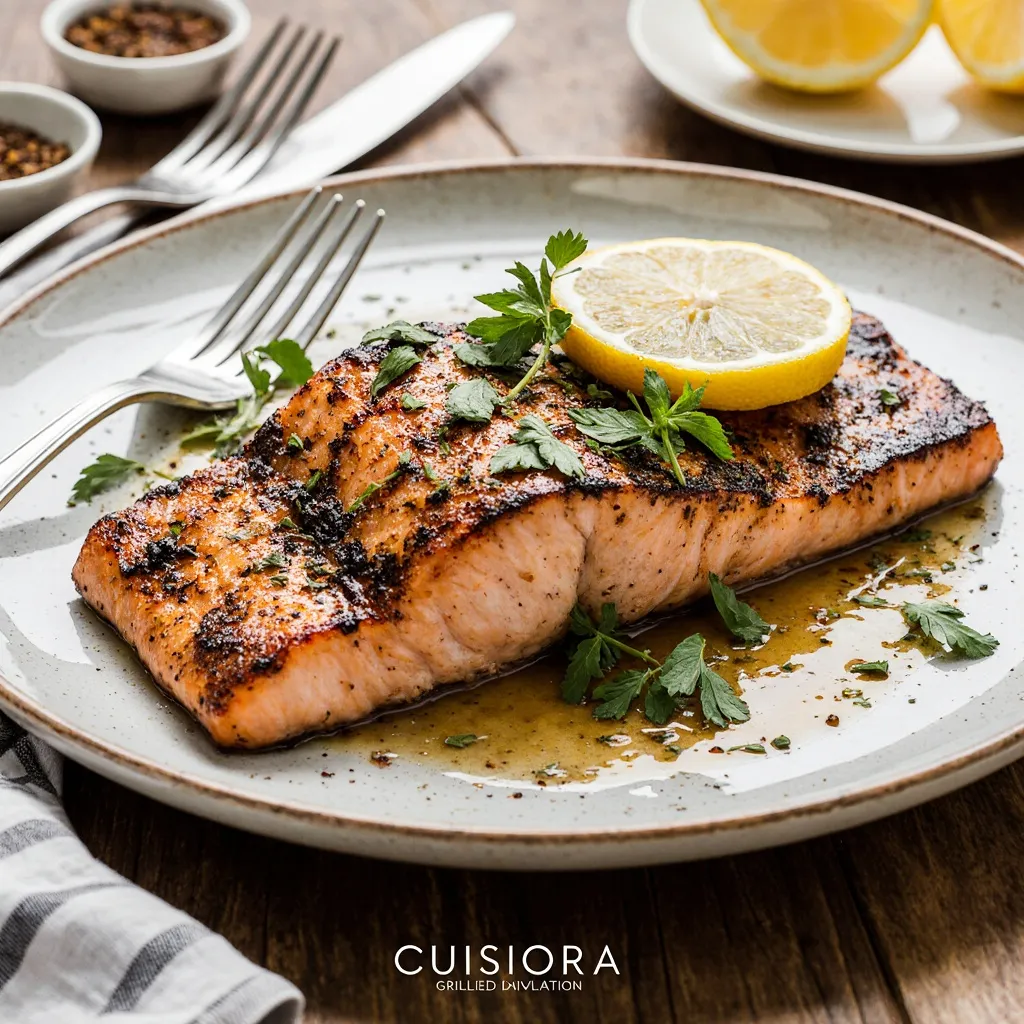
Place the salmon flesh-side down on the preheated, oiled grill. Let it cook undisturbed for 2 minutes. You’ll see the color change creeping up the sides — that’s your cue. Carefully flip the fillets skin-side down, then immediately spoon or brush the glaze generously over the top. Close the lid and cook for another 90 seconds to 2 minutes, depending on thickness.
That’s it. The glaze caramelizes slightly against the residual heat, and the salmon finishes cooking gently from beneath.
7. Customize Flavors to Suit Your Taste
This recipe is a solid base, but it’s also flexible.
- Tone down the ginger if you find it overpowering — start with half a teaspoon and adjust to your preference.
- Add heat by stirring a pinch (or a generous pinch) of red pepper flakes into the glaze. It plays beautifully against the sweetness of the maple.
- Go smokier with a small splash of liquid smoke or smoked paprika whisked into the sauce.
8. Alternative Cooking Options: Oven and Air Fryer
No grill? No problem.
Oven method: Preheat to 400°F. Place seasoned fillets on a foil-lined baking sheet and roast for 10–12 minutes. In the final 2 minutes, switch to the broiler and spoon glaze over the top. Watch it closely — the broiler works fast.
Air fryer method: Preheat to 390°F. Place fillets skin-side down in the basket, brush with glaze, and cook for 7–9 minutes. The air fryer produces a surprisingly crisp exterior and is perfect for smaller portions or single servings.
9. Serving Tips and Making Use of Leftovers
Pair this salmon with roasted broccoli, steamed jasmine rice, or a light spinach salad with lemon vinaigrette. The balsamic glaze plays nicely with anything slightly bitter or acidic on the plate.
For leftovers: sockeye salmon doesn’t reheat particularly well — it tends to dry out and the texture suffers. Instead, flake cold leftover salmon over a grain bowl with avocado, cucumber, and sesame dressing. It’s genuinely better that way.
10. Frequently Asked Questions & Nutritional Information
When is salmon done? Use an instant-read thermometer. You’re aiming for an internal temperature of 120–125°F for medium, or 130°F if you prefer it more fully cooked.
Should I remove the skin before grilling? No. The skin acts as a natural barrier against the grill’s direct heat, protecting the flesh from drying out and making flipping far easier. It peels right off after cooking if you’d rather not eat it.
Nutrition per serving (approx.):
| Nutrient | Amount |
|---|---|
| Calories | 340 kcal |
| Protein | 36g |
| Total Fat | 14g |
| Omega-3s | ~2.2g |
| Carbohydrates | 12g |
| Sugar | 10g |
This isn’t just a recipe — it’s a method, a mindset, and a repeatable weeknight win. Once you’ve made it once, it becomes part of the rotation.
How did you like our recipes ?
Just make sure not to overcrowd the basket
Can I use an air fryer to cook chicken leg quarters quickly?
Absolutely. An air fryer like the Ninja Foodi is great for quick, crispy results without much oil. It circulates heat well around the meat.
Just make sure not to overcrowd the basket. This can trap steam and make the skin rubbery instead of crispy.
