
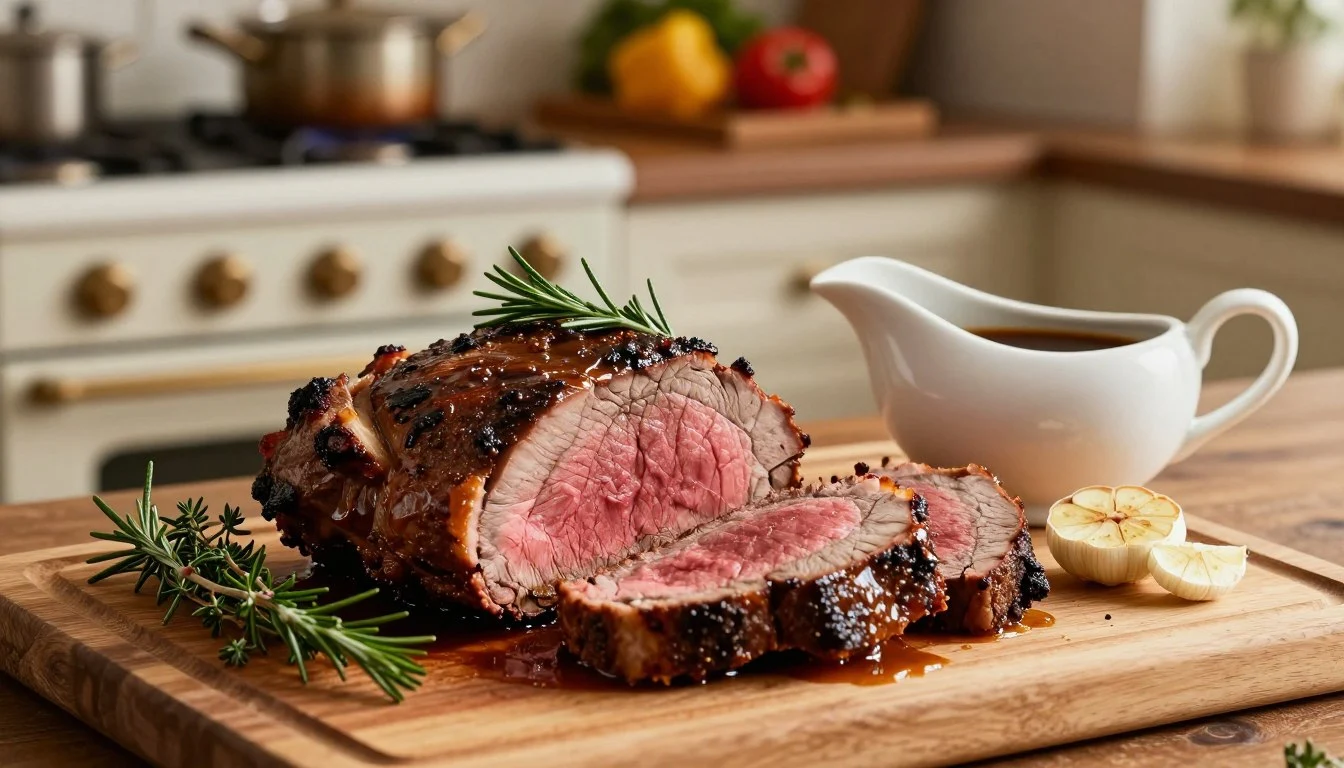
Prime Rib Au Jus Recipe | Classic Beef Dripping Sauce
There’s something magical about gathering loved ones for a holiday feast. The rich, savory aromas fill the air. Yet, the final touch often feels missing.
That deep, flavorful liquid gold makes a simple meal unforgettable. It’s the key to a memorable dining experience.
Many home cooks look to Instagram for inspiration. But, they often face frustrating login walls. This interrupts their creative flow.
You deserve a seamless experience without digital barriers. Your time in the kitchen should be spent mastering techniques, not signing up for tips.
This guide will help you create a restaurant-quality finish at home. By following our prime rib au jus recipe, you’ll learn to turn pan drippings into a bold, savory sauce. Let’s make your next holiday dinner unforgettable with a professional touch your guests will love.
The Art of the Perfect Au Jus
The quality of your pan sauce can make a big difference in a meal. When you’re making the best prime rib recipe, the sauce is key. It’s not just a side dish; it’s essential for a great dining experience.
Understanding the Role of Au Jus in Fine Dining
In fine dining, au jus is all about bringing out the beef’s natural flavors. Unlike thick gravies, a good au jus is light and enhances the roast’s taste. It’s about accentuating the beef’s savory notes without being too much.
Making your own au jus means you control the ingredients. This way, you avoid the high sodium and preservatives found in store-bought sauces. It lets you focus on the best prime rib recipe without distractions.
Why Homemade Sauce Outperforms Store-Bought Alternatives
Homemade sauce gives you full control over what goes into it. Store-bought sauces often have too much sodium and preservatives. These can hide the true flavors you want for your best prime rib recipe.
Homemade sauce uses the pan’s browned bits, or fond, for a richer taste. This is something store-bought can’t match. Here’s why homemade is better for your table.
| Feature | Homemade Au Jus | Store-Bought Mix |
|---|---|---|
| Flavor Profile | Rich, natural, and complex | Artificial and one-dimensional |
| Sodium Levels | Easily controlled by you | Consistently high |
| Ingredients | Fresh herbs and pan drippings | Preservatives and thickeners |
| Texture | Silky and light | Often gummy or overly thick |
Essential Prime Rib Au Jus Ingredients
To make an easy prime rib au jus, you need the right pantry items and fresh ingredients. Choosing top-notch ingredients makes your sauce rich and complex. It perfectly complements the beef. Knowing what each ingredient does is key to making a great sauce.
Selecting High-Quality Beef Stock or Broth
The base of your sauce is crucial. Always choose a good beef stock over regular broth. Stock has more collagen, giving it a deeper flavor. This is important for a professional taste at home.
If you can, make your own bone broth. But if you’re in a hurry, look for low-sodium, organic broth at the store. This helps control the sauce’s saltiness.
The Importance of Fresh Aromatics and Herbs
Fresh ingredients are the heart of your sauce’s taste. Use minced shallots and garlic for a sweet, savory flavor. Add herbs like thyme or rosemary for an earthy aroma that balances the beef’s richness.
Before adding liquids, sauté these ingredients until they’re soft and fragrant. This releases oils that make the sauce vibrant and fresh.
Choosing the Right Wine for Deglazing
Deglazing lifts the flavorful browned bits from the pan. The right wine is key. A dry red wine, like Cabernet Sauvignon, adds bold tannins and acidity. For a lighter taste, a dry white wine, like Sauvignon Blanc, offers a crisp finish.
| Ingredient Category | Recommended Choice | Flavor Impact |
|---|---|---|
| Beef Base | High-quality beef stock | Provides body and richness |
| Aromatics | Shallots and garlic | Adds savory depth |
| Deglazing Liquid | Dry red or white wine | Balances fat and acidity |
| Herbs | Fresh thyme | Introduces earthy notes |
Choosing the right prime rib au jus ingredients is crucial. It sets the stage for a great meal. This simple method ensures your easy prime rib au jus is the star of your dinner.
Preparing Your Prime Rib Roast for Maximum Drippings
Your journey to a perfect prime rib au jus starts before whisking. The quality of your sauce depends on the flavorful drippings from roasting. Focus on your technique early to ensure every drop is rich and savory.
Trimming and Seasoning the Roast
Begin by trimming the fat cap on your roast. Leave a thin layer of fat for the sauce base. Do not remove it entirely to keep the richness of a classic beef jus.
Season the meat with kosher salt and black pepper. This not only flavors the beef but also draws out moisture. When the fat renders, it creates a savory base for your perfect prime rib au jus.
Using a Roasting Rack to Capture Liquid Gold
Always use a sturdy roasting rack in your pan. It allows hot air to circulate evenly and prevents burning. Elevating the meat keeps it from sitting in its own juices.
The rack catches the rendered fat and juices in the pan below. This liquid is the true secret to a top-notch sauce. Without it, you risk losing those precious drippings to the pan’s heat.
Managing Oven Temperatures for Optimal Fat Rendering
Controlling your oven temperature is key. A moderate heat renders the fat into liquid without burning the fond. High heat can burn the drippings, ruining your sauce.
Here’s a table to help manage your roasting environment for the best results:
| Roasting Phase | Temperature Goal | Outcome for Drippings |
|---|---|---|
| Initial Sear | 450°F (High) | Develops deep, caramelized fond |
| Slow Roast | 325°F (Moderate) | Renders fat into liquid gold |
| Resting Period | Room Temp | Allows juices to settle and concentrate |
By keeping these temperatures, you protect the drippings’ integrity. This careful management is the final step to achieving your perfect prime rib au jus.
Step-by-Step Prime Rib Au Jus Recipe
While your roast rests, it’s the perfect time to make a delicious sauce. A prime rib au jus recipe helps you get the most out of your main dish. It adds a rich, tasty flavor to your meal.
Gathering Your Tools and Mise en Place
Start by setting up your workspace. You’ll need a strong whisk, a heat-proof spatula, and a big saucepan or your roasting pan if it’s safe for the stove.
Have your beef stock, red wine, and fresh herbs like shallots or garlic ready. Preparation is the secret to a stress-free sauce-making process.
Degreasing the Roasting Pan
After taking out the roast, you’ll see a layer of fat on the pan juices. Use a spoon or fat separator to remove the extra oil.
It’s important to keep the brown bits at the bottom of the pan. These caramelized bits add a deep flavor to your sauce.
Deglazing the Pan with Aromatics
Heat your pan over medium-high to start deglazing. Add your aromatics and cook until they’re fragrant and soft.
Then, pour in your wine to loosen the fond from the pan. This step is crucial for a great sauce, as it mixes all the juices into your base.
Simmering and Reducing the Liquid
Add beef stock to the pan and simmer it gently. Let the liquid reduce by a third to intensify the flavors.
Watch the heat closely to avoid boiling too hard. Once it’s the right consistency, strain it through a fine-mesh sieve for a perfectly smooth finish.
Techniques for Deglazing and Flavor Extraction
The secret to a truly delicious prime rib au jus is in the roasting pan after the meat is removed. Many home cooks miss the brown bits stuck to the bottom. These are the most flavorful parts of your meal. By mastering deglazing, you unlock a depth of flavor that defines a classic beef sauce.
Scraping the Fond for Deep Flavor
The dark, caramelized layer at the bottom of your pan is called the fond. This layer is packed with savory, umami-rich notes that make your sauce stand out. Use a wooden spoon or a flat-edged spatula to gently scrape these bits while the pan is over medium heat.
Adding a small amount of liquid, like red wine or beef stock, helps loosen the fond. Make sure to scrape every corner of the pan to get all the browned bits into your liquid base. This simple step is key to creating a delicious prime rib au jus that tastes like it came from a high-end steakhouse.
Balancing Acidity and Saltiness
Once you’ve loosened the fond, balance the acidity of your deglazing liquid with the natural saltiness of the drippings. If your sauce tastes too sharp, add a splash of unsalted beef stock to mellow it. If it feels flat, a tiny drop of balsamic vinegar or a squeeze of lemon can brighten it.
- Taste your sauce frequently as you reduce the liquid.
- Adjust salt levels only after the reduction is nearly complete.
- Use high-quality wine to provide a complex, acidic backbone.
Straining for a Silky Smooth Texture
The final step is ensuring the sauce has a refined, professional mouthfeel. Even if you’ve scraped the pan thoroughly, small bits of herbs or charred fat may remain. Pouring your finished sauce through a fine-mesh sieve is the best way to achieve a delicious prime rib au jus with a silky smooth texture.
Press down on the solids in the sieve with the back of a spoon to extract every drop of flavor. This process removes unwanted sediment and ensures your sauce coats the meat perfectly without any grit. Your guests will appreciate the clean, elegant finish that this simple straining technique provides.
Achieving the Perfect Consistency and Seasoning7
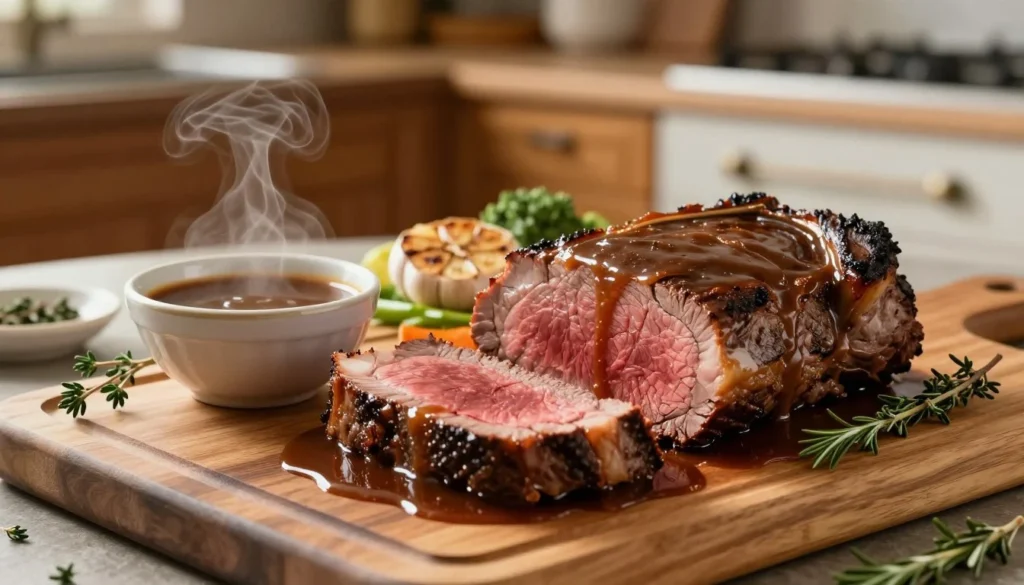
Getting your sauce just right is key to a great dinner. A flavorful prime rib au jus recipe needs the right balance to impress. By focusing on these steps, you can turn simple drippings into a top-notch sauce.
Adjusting Salt Levels Based on Your Roast
The saltiness of your sauce depends on how you prepared the meat. If you used a lot of salt, your sauce might be too salty. Always taste it before adding more seasoning to keep the beef flavor in the forefront.
If it’s too salty, you can dilute it with low-sodium beef stock or water. Getting the salt right is crucial for a flavorful prime rib au jus recipe that complements the roast.
Adding Depth with Worcestershire or Soy Sauce
Sometimes, your sauce needs a bit more complexity. A small amount of Worcestershire sauce or soy sauce can add a rich umami boost. These ingredients are like secret weapons for a savory finish.
Start with half a teaspoon and adjust to taste. You want to enhance the beef flavor without overpowering the sauce.
The Role of Butter Mounting for a Glossy Finish
To get a velvety texture, try the French technique of monter au beurre, or butter mounting. Whisk in a tablespoon of cold, unsalted butter just before removing the sauce from the heat. This creates a beautiful, glossy sheen.
The butter also adds a luxurious feel to the sauce. It’s the final touch that makes your sauce feel elegant and substantial.
| Enhancer | Primary Benefit | Recommended Amount |
|---|---|---|
| Worcestershire Sauce | Tangy Umami Depth | 1/2 Teaspoon |
| Soy Sauce | Salty Savory Boost | 1/4 Teaspoon |
| Cold Butter | Glossy Texture | 1 Tablespoon |
Troubleshooting Common Au Jus Issues
Making a perfect prime rib roast with au jus is rewarding, but it can have its challenges. Even skilled cooks might need to tweak their pan sauce before serving. Luckily, most problems can be fixed with a few kitchen tricks.
Fixing an Overly Salty Sauce
If your sauce is too salty, don’t worry. The best fix is to dilute it with unsalted beef stock or water. Adding fresh carrots or celery can also help balance the flavor. They absorb excess salt and add depth to your sauce.
Correcting a Thin or Watery Consistency
A thin sauce can be thickened by simmering it longer. This concentrates the flavors and thickens it naturally. If time is tight, a cornstarch slurry can quickly thicken your sauce.
Managing Burnt Bits in the Roasting Pan
Burnt bits, or fond, can make your sauce flavorful, but they can turn bitter if charred. To avoid this, watch your oven temperature closely. If you see dark spots, strain the liquid before deglazing. This keeps your sauce clean and savory.
Serving Suggestions and Pairing Ideas
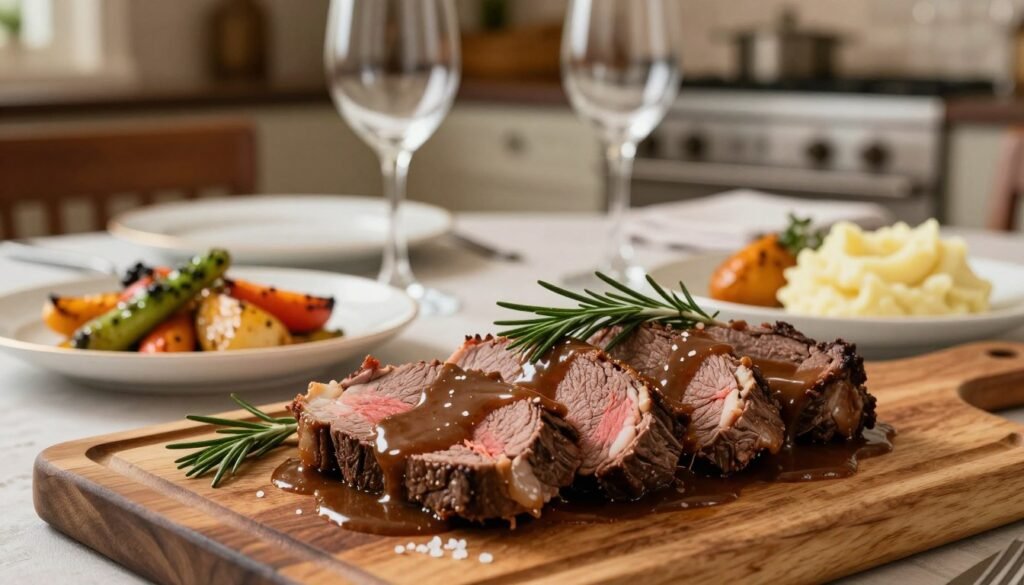
Serving your homemade prime rib au jus right can make a simple dinner feel like a fancy restaurant meal. How you serve the sauce can really make a difference in your guests’ experience.
Presenting Au Jus in Individual Ramekins
Offering each guest their own ramekin is a nice touch. It lets everyone enjoy the sauce just the way they like it, without making a mess on the main dish.
It also keeps the sauce warm for a longer time. You can easily top up these small dishes if your guests want more sauce with their meal.
Classic Sides That Complement Beef Drippings
A good, savory sauce goes great with classic comfort foods. Here are some traditional sides that pair well with your prime rib dinner:
- Creamy mashed potatoes to soak up the extra drippings.
- Crispy, golden Yorkshire pudding for a traditional British touch.
- Roasted root vegetables like carrots or parsnips to add natural sweetness.
- Garlic-sautéed green beans for a fresh, crunchy contrast.
Storing and Reheating Leftover Au Jus
If you have leftover homemade prime rib au jus, don’t throw it away. Storing it right keeps the flavors rich for your next meal.
Keep the sauce in an airtight container in the fridge for up to three days. For longer storage, freeze it for up to two months.
To reheat it, warm it slowly on the stovetop over low heat. Add a bit of fresh butter to get back that glossy finish and smooth texture.
| Storage Method | Shelf Life | Best Use |
|---|---|---|
| Refrigerator | 3 Days | Quick weeknight meals |
| Freezer | 2 Months | Future special occasions |
| Airtight Jar | Indefinite | Preserving flavor integrity |
Conclusion
Learning to make a rich prime rib au jus turns a simple roast beef dinner into a fancy meal. You now know how to get deep flavors from your roasting pan using just a few, top-notch ingredients.
Your dedication to deglazing and seasoning makes your cooking stand out. Every batch of sauce you make boosts your kitchen confidence. You learn to mix acidity and saltiness just right.
Next time you have friends or family over, show off your homemade beef dripping sauce. It’s the perfect highlight for any big event. Your guests will love the fresh flavors and careful reduction.
Try out different wines or herbs to make your own unique sauce. Keep improving your technique with each roast. Your culinary journey keeps getting better with every dish you serve.
FAQ
What makes this the best prime rib recipe for creating a high-quality sauce?
The secret to a great prime rib au jus is the fond. This is the caramelized browned bits at the bottom of your Le Creuset roasting pan. Using a roasting rack and keeping the oven temperature just right ensures a perfect au jus.This au jus starts with well-rendered fat and concentrated meat juices. It’s all about the details.
How can I create a flavorful prime rib au jus recipe if my roast didn’t produce many drippings?
If your roast was lean and didn’t leave many drippings, don’t worry. You can still make a top-notch homemade prime rib au jus. Use a high-quality beef base like Better Than Bouillon or Swanson Beef Broth to supplement.Also, sauté extra aromatics like shallots and fresh thyme in the pan before deglazing. This will keep the au jus rich and beefy.
Is there an easy prime rib au jus shortcut for busy holiday dinners?
Yes, there’s a quick way to make prime rib au jus for busy holiday dinners. Start by making a base of beef stock and red wine on the stovetop earlier in the day.Once your prime rib roast is done and resting, whisk the fresh pan drippings and a bit of Lea & Perrins Worcestershire Sauce into your base. This makes an au jus that tastes like it simmered for hours.
What is the best way to ensure my perfect prime rib au jus has a professional, glossy finish?
For a glossy and velvety au jus, try the French technique “monter au beurre.” Just before serving, whisk in a tablespoon of cold, unsalted Kerrygold butter. This gives your au jus a beautiful sheen.
Can I freeze the leftovers from this flavorful prime rib au jus recipe?
Yes, you can freeze your prime rib au jus in an airtight container for up to three months. A pro tip is to freeze it in ice cube trays. This makes it easy to thaw small portions for future meals.
Which red wine works best for deglazing when following this prime rib au jus recipe?
Choose a dry red wine with good acidity for a flavorful au jus. A Robert Mondavi Cabernet Sauvignon or a J. Lohr Merlot works well. Avoid “cooking wines” with too much salt, as they can mess up the flavor balance.
How did you like our recipes ?
Just make sure not to overcrowd the basket
Can I use an air fryer to cook chicken leg quarters quickly?
Absolutely. An air fryer like the Ninja Foodi is great for quick, crispy results without much oil. It circulates heat well around the meat.
Just make sure not to overcrowd the basket. This can trap steam and make the skin rubbery instead of crispy.
