
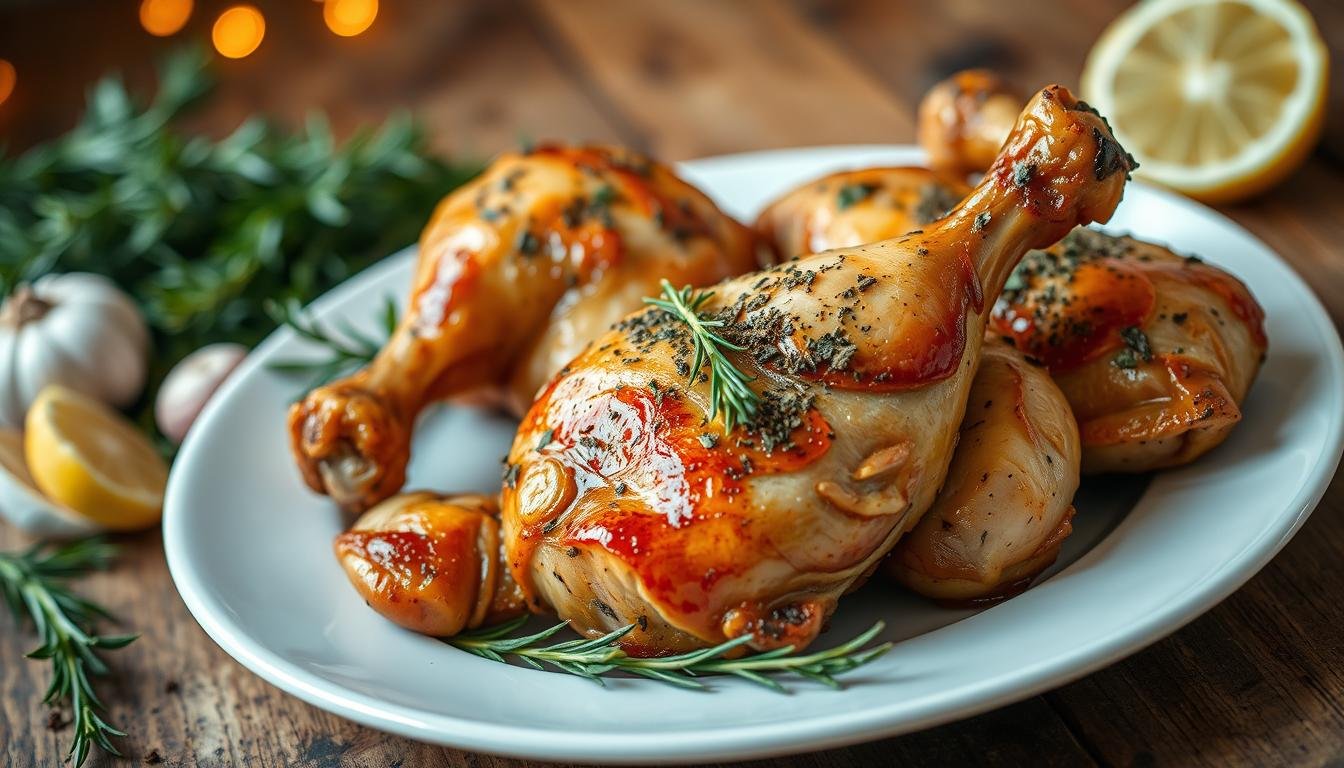
Find out how to prepare tender and flavorful chicken leg quarters at home.
There’s nothing like the smell of a slow-roasted meal filling your kitchen, especially when preparing chicken leg quarters. It creates that feeling of excitement when you take a perfectly browned, savory dish out of the oven. Learning how to cook chicken leg quarters is a great way to enjoy a flavorful, budget-friendly meal without sacrificing taste or quality.
This cut is loved by home cooks who want quality without spending a lot, especially when preparing leg quarters in oven. It has a rich flavor that other parts of the bird can’t match, making leg quarters in oven a popular choice for hearty meals. With the right techniques, leg quarters in oven always turn out juicy, tender, and full of flavor that everyone will enjoy.
You don’t have to be a pro chef to make a gourmet dish at home using chicken legs oven. Simple preparation methods can turn chicken legs oven into a truly memorable dining experience. With the right approach, chicken legs oven can be elevated into a juicy, flavorful meal that makes your dinner table shine tonight.
Understanding the Appeal of Chicken Leg Quarters
Chicken leg quarters are perfect for those who love great taste and value. They make your meals both tasty and easy to prepare. This choice ensures every dinner is a hit.
Why Leg Quarters Are a Culinary Staple
These cuts are loved for combining the drumstick and thigh in one. This gives you a robust eating experience unmatched by single pieces. The meat stays juicy because it’s attached to the bone.
They work well for any cooking method, from roasted chicken to slow-cooked dishes. The fat inside keeps the meat moist. Even beginners can’t go wrong with this cut.
Nutritional Profile and Cost-Effectiveness
These cuts are also great for saving money. They’re often the cheapest protein at the store. You get quality without breaking the bank.
They’re also good for your health when cooked right. They’re full of protein and nutrients for a balanced diet. Learning to cook these cuts is a smart move for your meals and budget.
Selecting and Storing High-Quality Chicken Leg Quarters
When you shop for chicken leg quarters, your eyes are key. Choosing wisely at the butcher counter makes your meal tasty and safe. This sets a good base for healthy cooking at home.
Identifying Freshness at the Grocery Store
Check the packaging for tears or leaks. Fresh chicken is light pink and firm. Stay away from packages with too much liquid or freezer burn.
Use your senses at the store. If the meat looks dull or smells bad, skip it. Choosing quality ingredients is crucial for cooking chicken well.
Proper Storage Techniques for Food Safety
Put raw chicken in the fridge right away for food safety. Store it in the coldest part of the fridge to avoid contamination. Use the original packaging or a sealed container.
“Proper temperature control is the single most effective way to prevent the growth of harmful bacteria in your kitchen.”
Here’s a guide for safe poultry storage:
| Storage Method | Temperature | Maximum Time |
|---|---|---|
| Refrigerator | 40°F or below | 1 to 2 days |
| Freezer | 0°F or below | 9 months |
| Cooler (Transport) | Below 40°F | 4 hours |
Thawing Frozen Quarters Safely
Don’t thaw meat on the counter. It’s a breeding ground for bacteria. The best way is to thaw in the fridge the night before cooking. This keeps the meat’s quality.
If you’re short on time, thaw in cold water. Change the water every 30 minutes. For healthy cooking, thawing safely is essential for cooking chicken safely.
Essential Tools for Preparing Chicken Leg Quarters
Having the right kitchen tools makes cooking chicken leg quarters easier and faster. Your grocery shopping trip gets you the fresh ingredients. But, your tools affect how well those ingredients cook in the oven. Good equipment keeps your meal prep stress-free.
Choosing the Right Baking Sheets and Roasting Pans
Choosing the right roasting pans or baking sheets is key for even heat. A sturdy pan lets air circulate, which crisps the skin. Thin, flimsy pans warp under heat, causing uneven cooking.
A roasting pan with a rack is great for deeper cooking. It keeps the chicken off the bottom, ensuring even heat. Consistency is crucial for a perfectly roasted dish.
The Importance of Using a Meat Thermometer
Never guess when it comes to food safety. A meat thermometer ensures your poultry hits 165 degrees Fahrenheit. This tool stops undercooked or dry meat.
Digital instant-read thermometers are best for their speed and accuracy. Just insert the probe into the thigh, avoiding the bone. Precision here means a juicy, safe dish.
Knives and Cutting Boards for Trimming
Trimming excess fat or skin is part of preparing chicken leg quarters. A sharp knife makes this easier. Use a dedicated cutting board, like plastic, for cleanliness.
Keep your knives sharp for clean cuts. A stable cutting board keeps you safe while handling raw poultry. Proper prep makes you feel like a pro chef.
Mastering the Art of Seasoning and Marination
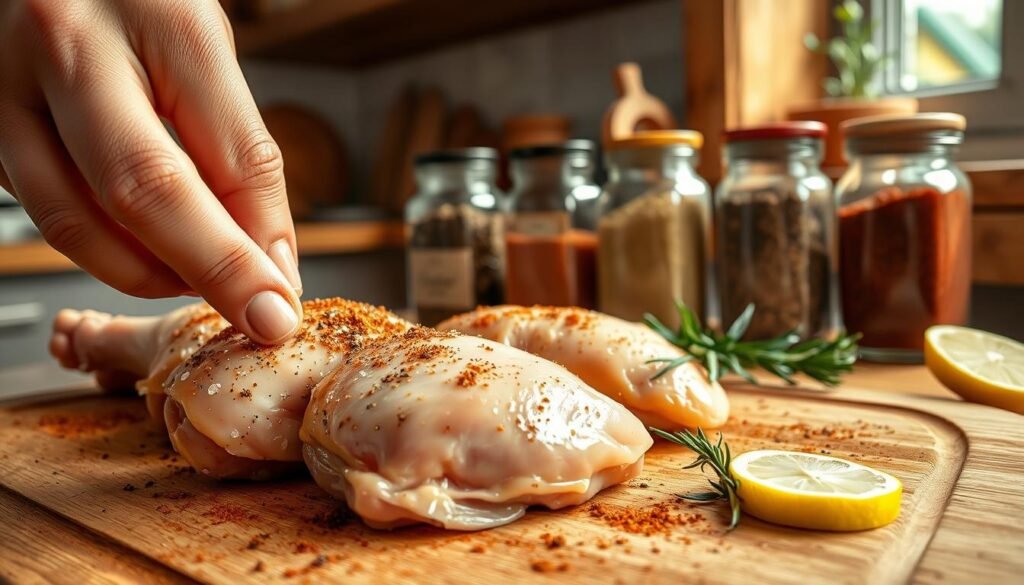
By focusing on marination and seasoning chicken, you can make simple ingredients into a masterpiece. The way you prepare the meat affects its texture and taste. Choosing the right method ensures every bite is full of flavor.
Creating Dry Rubs for Crispy Skin
Dry rubs are key for crispy skin when preparing chicken leg quarter recipes. A simple blend of salt, brown sugar, paprika, and garlic powder creates a flavorful coating that enhances chicken leg quarter recipes. This seasoning barrier helps the skin render fat efficiently during cooking, improving both texture and taste in chicken leg quarter recipes for a crisp, golden finish.
Apply your rub at least thirty minutes before cooking. This lets the spices stick well. Be careful with sugar at high temperatures to avoid burning. A good rub is essential in many poultry recipes.
Wet Marinades for Deep Flavor Penetration
Wet marinades are great for adding complex flavors. They use acid like lemon juice or vinegar for flavor penetration. Acid breaks down proteins, letting herbs and spices penetrate deeper.
For the best results, marinate in a sealed bag for several hours. This ensures the marinade surrounds the meat evenly. Oil-based marinades keep the meat moist while it cooks.
The Science of Brining for Maximum Tenderness
Brining changes the meat’s protein structure. It uses salt water to make the meat hold more water. This makes the meat tender and prevents it from drying out during cooking.
To make a basic brine, mix a quarter cup of kosher salt with four cups of water. Add aromatics like peppercorns or bay leaves for extra flavor. Keep the chicken refrigerated while brining for safety.
| Method | Primary Benefit | Best For |
|---|---|---|
| Dry Rub | Crispy Skin | High-heat roasting |
| Wet Marinade | Deep Flavor | Infusing aromatics |
| Brining | Tenderness | Moisture retention |
Preparing Chicken Leg Quarters for the Oven
Turning raw chicken leg quarters into a tasty meal begins with preparation. Preparing your ingredients well makes your meal preparation smooth and your dish delicious.
Trimming Excess Fat and Skin
Using the right kitchen tools makes trimming easier. Start by removing big skin flaps or fat at the leg base.
To make smaller portions, separate the drumstick from the thigh. Find the joint, press down with your knife, and cut through the cartilage. Precision here prevents waste and ensures even cooking.
Patting the Skin Dry for Better Texture
Moisture ruins a golden, crunchy exterior. Before adding oil or spices, dry the chicken leg quarters with paper towels.
This step is crucial for crispy skin like your favorite restaurant’s. Dry skin renders fat better in the oven’s heat. Do not skip this step for that perfect crunch.
Applying Seasonings Evenly
Seasoning chicken right means covering every part. Start by drizzling olive oil to help spices stick.
Then, sprinkle your dry rub or herbs over the top and sides. Make sure to get under the skin if you can. Use your hands to mix the seasoning into the meat evenly. Consistency is key for flavor in every bite.
Roasting Techniques for Perfectly Tender Meat
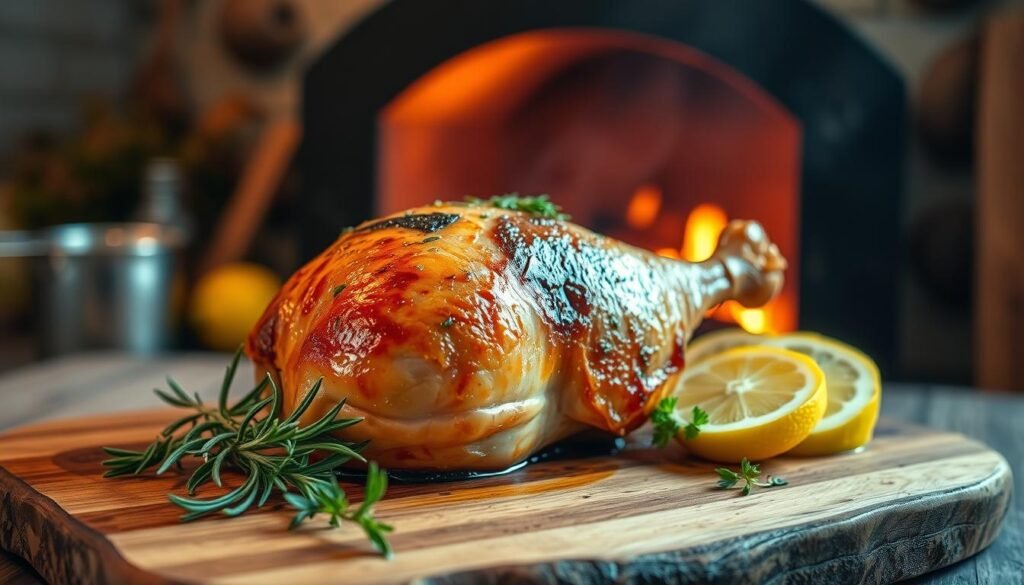
Getting the heat right and keeping an eye on it is key to a great roasted chicken meal. Mastering your oven ensures every bite is juicy and full of flavor. It’s not just about seasoning; it’s about creating the right cooking environment.
Setting the Ideal Oven Temperature
Finding the perfect oven temperature is crucial for a good balance of crispy skin and tender meat. Most chefs say to use a temperature between 375°F and 400°F for leg quarters. This heat helps the fat melt slowly, keeping the outside from burning before the inside is cooked.
Arranging the Quarters for Even Heat Distribution
How you place your chicken on the baking sheet affects heat distribution. Don’t overcrowd the pan, as this can make the chicken steam instead of roast dry and golden. Make sure to leave at least an inch of space between each piece to let hot air circulate.
Basting Methods to Keep Meat Moist
Basting is a simple way to keep baked chicken legs and thighs moist and flavorful. Using a spoon or baster to drizzle the pan juices over the chicken every 20 minutes helps enhance baked chicken legs and thighs with extra richness. This method adds a glossy finish while ensuring baked chicken legs and thighs stay juicy, tender, and full of flavor until the end of cooking.
Always use a meat thermometer to check if your chicken is done. Aim for an internal temperature of 165°F in the thickest part of the thigh, away from the bone. Once it reaches this, take the pan out of the oven to stop it from overcooking.
“The most important step in roasting is the rest. Allowing the meat to sit for ten minutes lets the juices redistribute, ensuring every slice is tender and moist.”
| Oven Setting | Estimated Time | Target Temp |
|---|---|---|
| 375°F | 45-50 Minutes | 165°F |
| 400°F | 35-40 Minutes | 165°F |
| 425°F | 30-35 Minutes | 165°F |
Patience is your greatest tool during the final stage. Letting the chicken rest locks in the flavors, making it a favorite dish. Follow these steps for a professional result every time you roast.
Alternative Cooking Methods for Variety
Trying new ways to cook chicken leg quarters keeps your meals exciting. While many stick to roasted chicken, trying different methods can reveal new tastes. These poultry recipes let you match your cooking to your kitchen and schedule.
Grilling Techniques for a Smoky Char
Grilling adds a smoky flavor that ovens can’t match. To grill well, set up two heat zones on your grill. Cook the chicken over indirect heat first, then finish it over direct flames for a charred look.
Slow Cooking for Fall-Off-The-Bone Results
For tender meat with little effort, use a slow cooker. It works best with moist seasonings. The meat becomes so tender, it almost falls off the bone.
Using an Air Fryer for Rapid Crisping
Need quick, crispy chicken leg quarters? The air fryer is perfect. It cooks fast, like deep frying, but with less oil. It’s great for a quick, tasty meal on a busy night.
| Method | Primary Benefit | Cooking Time | Texture Result |
|---|---|---|---|
| Grilling | Smoky Flavor | 30-45 Minutes | Charred & Juicy |
| Slow Cooking | Extreme Tenderness | 4-6 Hours | Fall-off-the-bone |
| Air Frying | Speed & Crunch | 20-30 Minutes | Extra Crispy |
Common Mistakes to Avoid When Cooking Chicken
Learning to cook chicken well means knowing what not to do. Even skilled cooks can make mistakes. These errors can make your food less tasty and less safe.
Preventing Overcooked or Dry Meat
One big mistake is taking the chicken out too late. This makes the meat tough and stringy. To get tender meat, you need to use a meat thermometer to check the temperature.
Always aim for a internal temperature of 165°F. Take the chicken out when the thickest part of the leg hits this mark. The temperature will go up a bit as it rests.
Avoiding Under-Seasoning the Thickest Parts
Many cooks forget to season the thick parts of the chicken. These parts need more seasoning because they are thicker. Seasoning should be applied early to let flavors soak in.
Here are some tips for better flavor:
- Use a sharp knife to make small incisions near the bone.
- Massage your seasoning blend directly into the meat, not just the skin.
- Let the chicken sit at room temperature for 20 minutes before cooking.
Managing Flare-ups During Grilling
Grilling adds extra challenges, like keeping food safe and controlling heat. Flare-ups happen when fat hits the hot coals. This can burn the outside before the inside is cooked. It usually happens if the heat is too high.
To handle flare-ups, have water ready. Also, keep a cooler area on your grill for the chicken if it gets too hot. Always check the internal temperature closely. Grilling can cook the meat faster than an oven.
Serving Suggestions and Flavor Pairings
To make your chicken leg quarters taste like they came from a fancy restaurant, add a few finishing touches. Choose the right sides and sauces to highlight the flavor penetration from cooking. These simple steps can turn budget-friendly meals into a memorable dining experience.
Selecting Complementary Side Dishes
The best sides for roasted chicken offer a mix of textures and colors. Try serving it with roasted root vegetables like carrots, parsnips, or potatoes. These veggies soak up the savory juices beautifully.
For a lighter option, a crisp garden salad with a tangy vinaigrette can balance the richness of the dark meat. If you like grains, fluffy quinoa or couscous infused with herbs can catch any extra seasoning.
Creating Pan Sauces from Drippings
Don’t throw away the liquid left in your roasting pans after cooking the chicken. This liquid is full of concentrated fats and browned bits, packed with flavor.
To make a quick pan sauce, heat the pan over medium and whisk in some chicken stock or white wine. Scrape the bottom of the pan to get all the flavorful bits. Then, simmer until the sauce thickens into a silky consistency.
Presenting Your Dish for a Professional Look
Good meal preparation also means how you present the dish. Start by placing the chicken leg quarter slightly off-center. This adds visual interest and makes room for your sides.
Drizzle your homemade pan sauce over the meat, but don’t overdo it. This helps keep the skin crispy. Finally, garnish with fresh herbs like parsley or thyme. This adds a vibrant pop of color that makes your dish look as good as it tastes.
Conclusion
Learning to cook chicken leg quarters is a great skill. It makes a tasty and affordable protein for your kitchen. Now, you can make delicious meals easily with simple ingredients.
Getting good results means choosing the right ingredients, seasoning them well, and controlling the temperature. These steps make sure every bite is tender and full of flavor for your family.
Try different cooking methods to find what you like best. Whether it’s grilling on a Weber or using a Ninja air fryer, your kitchen is where you can discover new flavors. It’s all about exploring and finding what works for you.
Share your favorite recipes with friends or keep them for quick weeknight meals. Starting your cooking journey with these methods is a great way to become a confident home chef. Begin your next cooking adventure today and enjoy the tasty results of your efforts.
FAQ
What is the most accurate way to tell if my chicken leg quarters are fully cooked?
To check if your chicken is cooked right, use a digital meat thermometer like the ThermoPro TP19H. Stick the probe into the thickest part of the thigh, avoiding the bone. The USDA says chicken is ready at 165°F (74°C).
But, because leg quarters have more connective tissue, chefs often cook them to 175°F or 185°F. This makes the meat tender and falls off the bone.
Should I wash my chicken leg quarters before seasoning them?
No, don’t wash raw poultry. The USDA and CDC say washing can spread harmful bacteria like Salmonella or Campylobacter. This can contaminate your kitchen and other foods.
Instead, dry the skin with Bounty paper towels. This is key for a crispy, golden-brown finish during cooking.
How can I achieve extra crispy skin when roasting in the oven?
Dry the skin well and sprinkle Morton Kosher Salt and a bit of baking powder on it. Place the chicken on a wire rack in a Nordic Ware baking sheet.
This setup lets air circulate all around, ensuring the skin crisps up well. The heat from your convection oven will crisp the bottom as much as the top.
How long can I safely store raw chicken leg quarters in the refrigerator?
Store raw chicken in the coldest part of your fridge, at or below 40°F, for one to two days. Wrap it tightly in Glad Press’n Seal or a Ziploc freezer bag to prevent freezer burn.
Always thaw chicken in the fridge, not on the counter, to stop bacteria growth.
Why do my chicken leg quarters sometimes cause flare-ups when I use a grill?
Flare-ups happen when the fat in the skin drips onto hot coals or burners. To avoid this, use two-zone cooking.
Start the chicken on the cooler side of the grill to render the fat slowly. Then, move it to direct heat for a smoky char and crispy skin.
Is it necessary to let the chicken rest after cooking?
Yes, let the chicken rest for at least 5 to 10 minutes. This lets the muscle fibers relax and the juices redistribute.
If you cut into the chicken right away, the juices will spill out. This makes the meat dry and less flavorful.
Can I use an air fryer to cook chicken leg quarters quickly?
Absolutely. An air fryer like the Ninja Foodi is great for quick, crispy results without much oil. It circulates heat well around the meat.
Just make sure not to overcrowd the basket. This can trap steam and make the skin rubbery instead of crispy.
How did you like our recipes ?
Just make sure not to overcrowd the basket
Can I use an air fryer to cook chicken leg quarters quickly?
Absolutely. An air fryer like the Ninja Foodi is great for quick, crispy results without much oil. It circulates heat well around the meat.
Just make sure not to overcrowd the basket. This can trap steam and make the skin rubbery instead of crispy.
